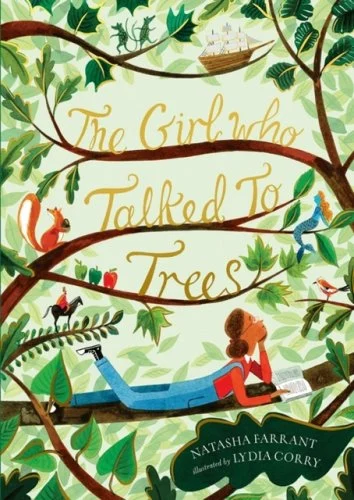
The Girl Who Talked to Trees by by Natasha Farrant and Lydia Corry 

This is a gorgeous concept-album of a book. Following the story of Olive, The Girl Who Talked to Trees by by Natasha Farrant and Lydia Corry, is about the life of an oak across the ages, but also about the other trees close by.

When ‘her’ oak is threatened with removal, Olive sends out a wish, hoping to figure out how to save it. In her dreams, the trees begin to tell her tales of their lives across time – a series of self-contained, yet interconnected short stories which cover the mythology and facts about different types of trees. On waking, Olive uses these tales to advocate for her oak, and ultimately save it.

The connection between people and the natural world is beautifully explored in this book, not just in the present day, but also across history. The differences between how people treat some kinds of tree compared to others is also touched upon, as is the way we conceptualise the forest, verses individual trees.

I actually listened to this as an audiobook, so wasn’t aware how beautifully illustrated the physical copy is. Researching for this post, though, led me to some photos of amazing full colour illustrated spreads, and I think I might have to invest in my own copy. It was amazing to listen to this book, but I’d like to be able to enjoy the glorious artwork too.

This is a rare look at the very personal side of felling trees, and the way in which individuals interact and form relationships with single plants. It reminds me of a line from Oak and Ash and Thorn, by Peter Fiennes where he asserts that whilst Britain loves trees, we’re afraid of the woods. That really plays out here, across the series of short stories.

If you’d like more books on nature, the environment, plants, or the climate crisis, there’s a short list here. Hopefully I’ve included something for everyone:

Terra Electrica (Middle Grade)
Global (Graphic Novel)
Feast of Ashes (Young Adult)
This Book is Not Rubbish (Non-fiction)
Ruby Nettleship and the Ice Lolly Adventure (Picture Book)
Plant the Tiny Seed (Picture Book)
We Travel So Far (Picture Book)
A Swift Return (Picture Book)

What are your favourite nature books for children? Do you know of any others told in this short-story format? As always, I would love to hear your recommendations! ❤

Fran xx

___

I’ve set up a ‘bookshop‘ of sorts, over on Bookshop.org, so that I can point you to somewhere to buy that isn’t Amazon. I get a small commission for any sales made there. This helps to support me running this blog. If you’d like to get your copy of The Girl Who Talked to Trees this way, please just click here. Thank you for your support.

The Remembering by Dione Orrom – Random Things Blog Tour

There’s a lot to talk about when it comes to The Remembering by Dione Orrom, and honestly, I’m not really sure where to start.

Simply put, this book is a journey through a dying landscape, in a last-ditch attempt at saving the world from the environmental mistakes of humanity. There were shades of The Neverending Story to this – a race through a collapsing world which emphasises the beauty of things through their absence. There’s also what feels like a nod to The Lion, The Witch, and the Wardrobe – a collection of disparate animals coming together to fight against dark forces. There’s so much to like about this book and so much that makes it timely.

But let’s start at the beginning which – honestly? – is going to put some people off. So, while I’m saying this, please keep in mind that I loved the rest of the book. Really, actually loved it. The thing is though, the first three chapters are… slow. And in chapter 2, especially, there’s a lot of exposition through conversation. That’s not necessarily a bad thing, but when the rest of the book is so fluid and pacy, it felt jarringly clunky. Youngest child (9) gave up, and Eldest (13) said it was a close call.

I think this is partially down to how rich the lore of Orrom’s world is – how much there is to say about every aspect of what’s going on. As the story continues, the quick pace and sense of urgency makes the book very difficult to put down. I read a digital copy, and though the first 20 pages or so were difficult to get through, I found myself at 72% finished by the point it was so far Past My Bedtime that I had to stop reading. I finished the rest first thing the following morning.

As I said above, this story pulls together lots of elements from classic children’s literature. In addition to The Neverending Story, and C.S. Lewis’s cornerstone of children’s fantasy, I could see shades of Michelle Paver’s Wolf Brother series in the characters of Snakeskin and Aster. There are echoes of Elidor in the way that the children only ever know part of what’s going on – there’s the sense that they’re minor characters in a much larger adventure. Some of these books, are amongst my all time favourites.

I think though, as a keen forager, that what I loved most about The Remembering was the way that time-travel seemed to work through the mitochondrial root network that connects tress to fungi. I thought this was absolutely genius and loved the way that Orrom continued this tree-inspired lore throughout. I loved that the trees of the council each had their own personalities and roles to play. Honestly, chef’s kiss to all the lore of this world.

I spoke a little while ago about dystopian climate fiction and how I don’t think it’s the way to engage people with the realities of climate crisis. I passionately believe that we need a future to fight for, more than we need one to steer from. Though it’s never explicitly stated whether Snakeskin and Aster exist in the past or the future of Jack’s time, the closeness that they share with the natural world is something that we can all aim for. Perhaps not literally speaking to the trees – though you never know – but by engaging with the world as a part of it, rather than master of it.

To sum up – if you’re reading this as an adult, stick with it past the first few chapters – you won’t be disappointed. If you’re reading this with children, perhaps read the first five chapters or so together, before handing the book across*.

What are your favourite climate fiction books? I’d love to read some – especially those which offer a vision of hope, rather than dystopia.

___

*This works for Youngest child. Sometimes they’re** convinced that a book with smaller writing is ‘too hard’ so we read the first few chapters together (take a page, turn about), and by the time we get to chapter 2 or 3, kiddo is ready to read the rest alone.

**I’m using the singular ‘they’ pronoun for anonymity, rather than gender reasons, though if you do have recommendations on books for non-binary children, I’d love to hear them.

___

I’ve set up a ‘bookshop‘ of sorts, over on Bookshop.org, so that I can point you to somewhere to buy that isn’t Amazon. I get a small commission for any sales made there. This helps to support me running this blog. If you’d like to get your copy of The Remembering this way, please just click here. Thank you for your support.
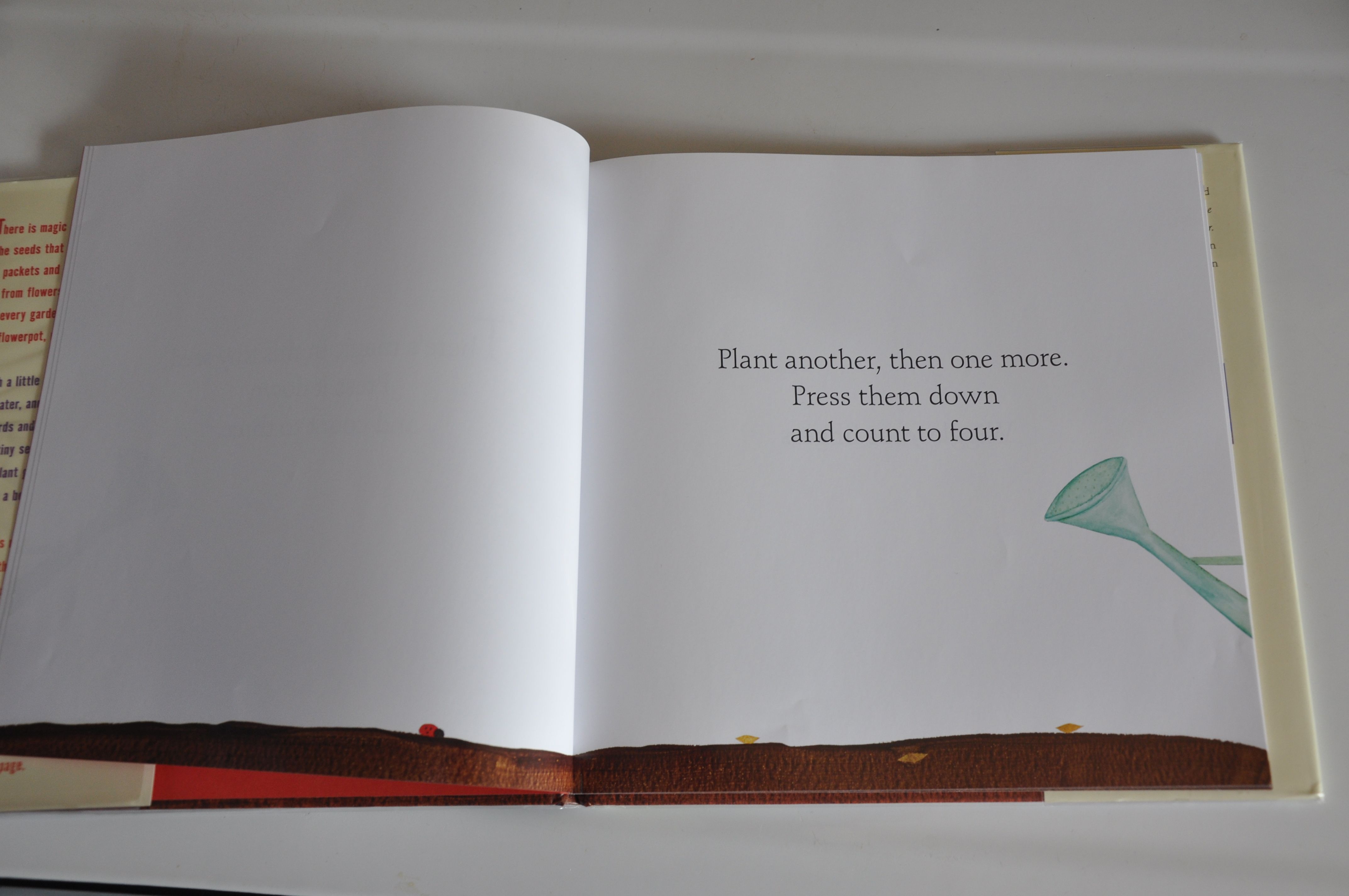
Plant the Tiny Seed by Christie Matheson

seed1

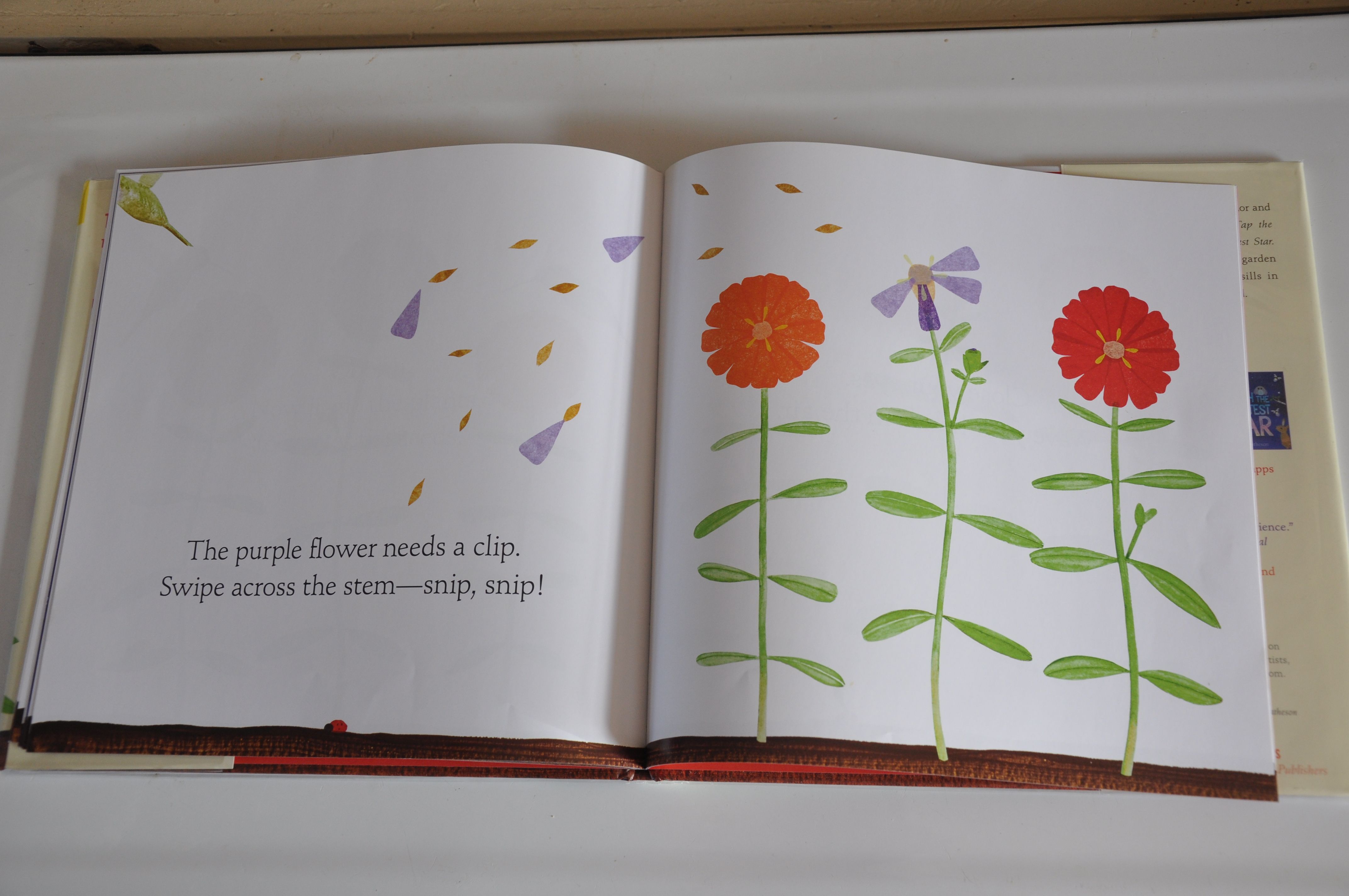
Plant the Tiny Seed by Christie Matheson is a really fun introduction to gardening, and is one of those books which call for a high degree of interaction between reader and listener – something I absolutely love.

seed3

Told in verse and requiring lots of finger actions, this is a fantastically fun little gem of a book. Beginning with the page above and ending with a row of flowers, there are all kinds of things to giggle at in between.

seed2

There isn’t a great deal more to be said about this book – lots of bright illustrations, few well-chosen words… it’s a delight to read to small people.

It’s definitely one I would recommend getting a copy of and just trying for yourself.

Have you read Plant the Tiny Seed by Christie Matheson? Did you like it as much as me?

Farn ❤

Rosy’s Garden by Satomi Ichikawa

rosy1

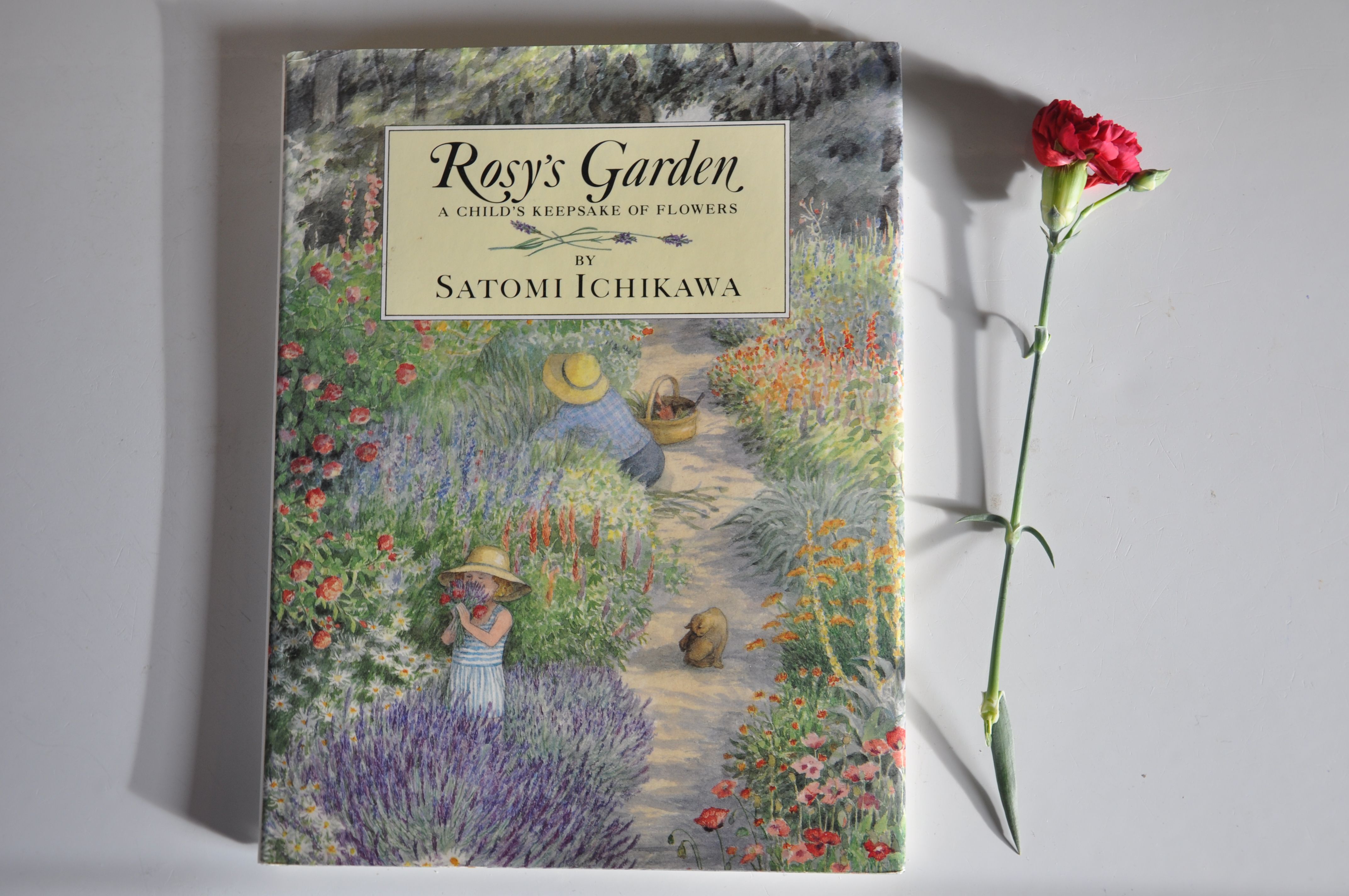
Rosy’s Garden by Satomi Ichikawa should be a classic. I know that’s a pretty bold statement, but bear with me…

I happened upon our copy in a charity shop when Daughter was around two and ever since, we’ve read it regularly. In itself, this isn’t at all unusual. The difference between Rosy’s Garden and just about every other book, though, is that I have never once thought, “Oh, not again…” Time after time, this has been eagerly brought to me and time after time I’ve said – just as eagerly – “Ooh, good choice!”

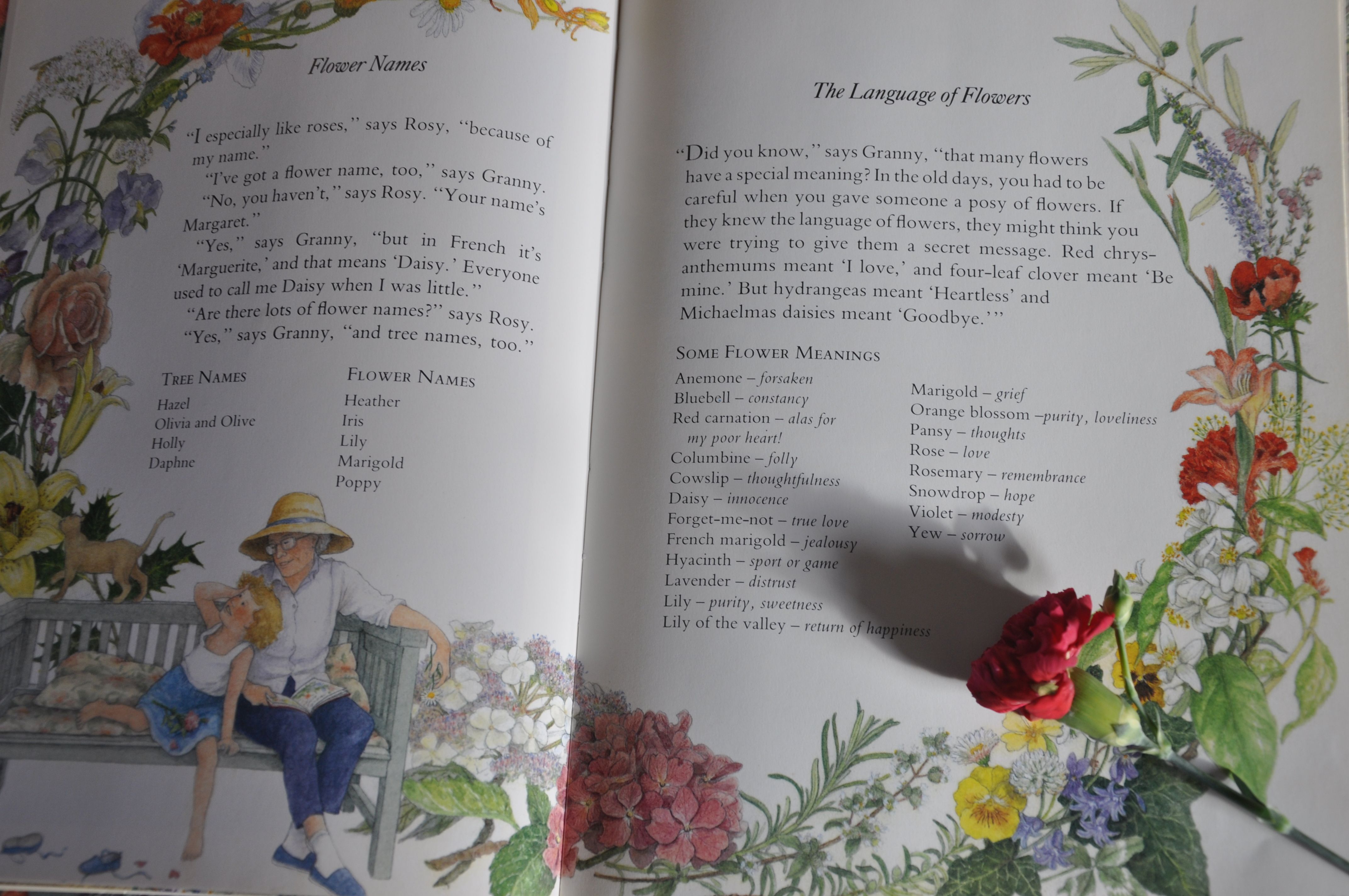
At its core, the book chronicles the titular character’s summer holiday at her grandmother’s house. There’s no singular main event, nor is it a series of Milly-Molly-Mandy- esque episodes as I had first presumed on finding the book. The best description I can think of to describe the layout is a journal-cross-scrapbook. There are little notes about flower names, the language of flowers, how to make rose water, how Granny and Grandpa met, how to gather seeds…

rosy2

I think that’s what I love most about the book – the little snippets of information that is genuinely new and interesting. There are so very many books about planting a seed that grows into a flower but so few about the culture that surrounds our gardens and the things we plant. This book perfectly fills that gap.

And perfect as the writing is, the illustrations still manage to make it even better. Some of them look like botanical prints, they’re so accurate. But at the same time there’s so much character and warmth in them – so many details to spot.

The more I write about this book, the more I could write so I’m going to leave things here, before I get carried away. I maintain what I said though – this really should be a classic.

What’s your list of ‘would-be’ children’s classics?

The Wooden Dragon by Joan Aiken & Bee Willey

dragon3

I first took The Wooden Dragon by Joan Aiken and Bee Willey out of the library in 2013 when we lived near Bury St Edmunds and it, or its Aberdeenshire counterpart, has been coming home with us regularly ever since.

The story is a lovely one, about discovering how to use your strengths to overcome your fears, and how, no matter what your abilities are, there’s scope to help others.

dragon1

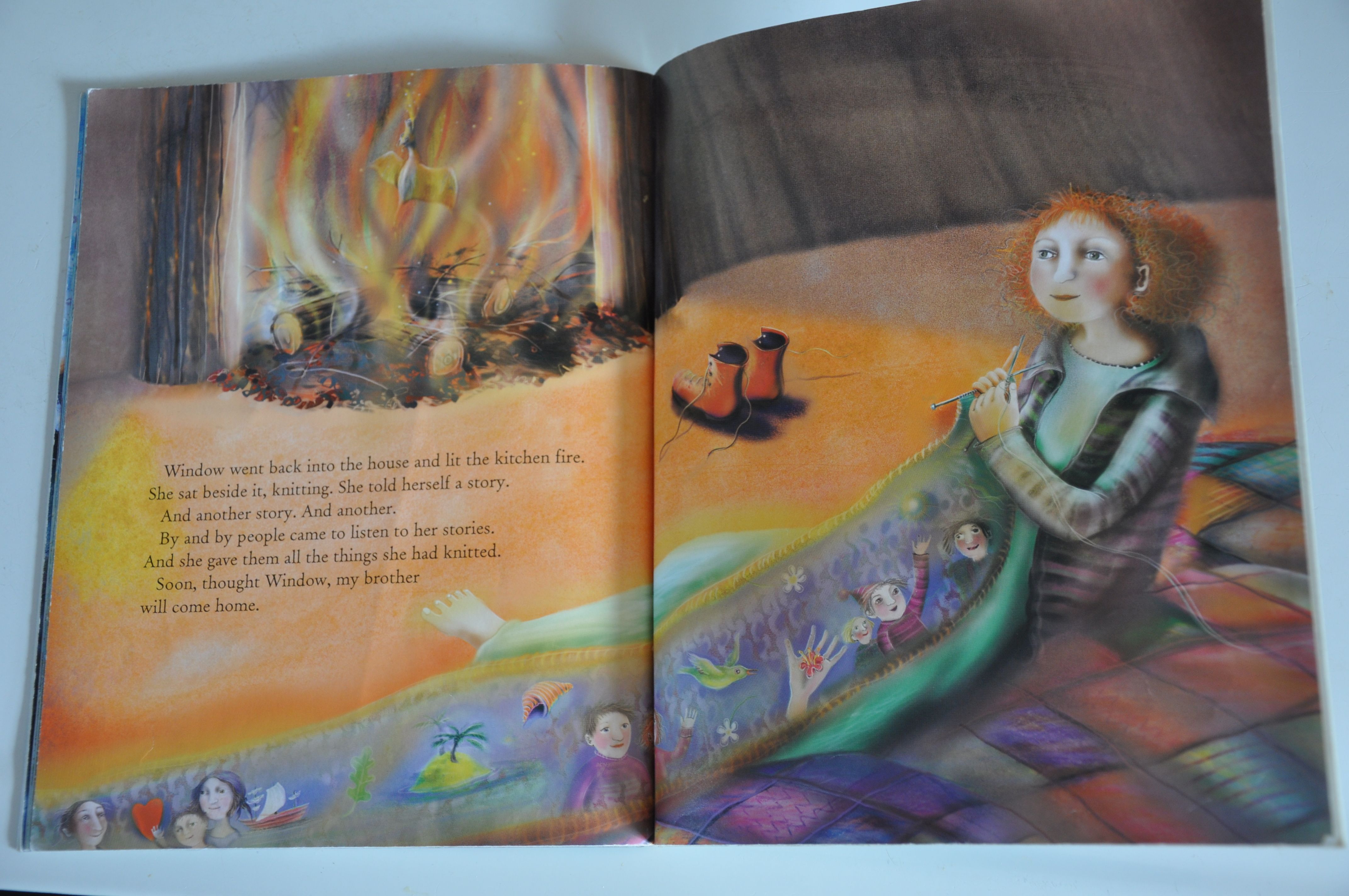
Set in the autumn, the illustrations are full of really rich textures, and earthy colours which match the tone of the prose perfectly. I really love how no surface is just one flat shade, but instead, is composed of layers of different colours. No one could ever say that the illustrations are ‘realistic’ – they’re heavily stylised – but they’re so lively and full of character that they feel very real.

dragon2

This is a wonderful book in which the power of stories helps the protagonist overcome the difficulties in their narrative. I’m a sucker for this plot, which I guess makes sense, given how many times reading books has rescued me. 😉

Farn ❤