How to Be Disabled and Proud (or at least kinda sorta okay with it) – Cathy Reay

How to be Disabled and Proud by Cathy Reay was sent to us by the lovely Sally Oliphant for review and we have thoroughly enjoyed this.

It’s not something I tend to talk about often, but there’s a lot of neurodivergent people in my family – I’ve been diagnosed with autism and dyspraxia in recent years, and there are various other family members with their own things going on (though these aren’t my stories to tell).

That being the case, there were lots of excited, willing readers for this.

Let’s start with the intended demographic;

“I only read the part about puberty. It was really good. It was very inclusive and I liked the illustrations, they were eye catching and big, and had speech marks and stuff. And they finished the paragraph’s using a speech bubble.” – Youngest kiddo (10)

“It represented lots of different types of disabilities and it talked about intersectionality too, which was good. There were different sections for different types of disabilities like invisible and visible ones. It uses the author’s personal experience as well so it’s really authentic. I think it’s all explained in a really succinct way. I thought the illustrations were really cute and they’re so bright and lively that you can imagine them in colour, even though they’re black and white. They carried through the representation that was present in the text.” – Eldest kiddo (13)

For me, I wish I’d had this book growing up – which is something of a complicated statement, because I didn’t know about my own neurodivergence until much later. I think, though, that even if I’d found this book without knowing about my own disability, I’d have got so much from it. I knew I was different, even if I didn’t have words for why that was. I knew that I couldn’t do some of the things that the other children could, and the tone is such that even without possessing the vocabulary to describe my brain that I have now, I would have felt seen and valued.

For those interested, here’s the blurb:

A warm, funny and empowering guide to what you can expect growing up disabled, written by disabled journalist and mum Cathy Reay.

Have you ever felt like you don’t fit in anywhere?

Or like no-one understands what it feels like to be you?

Maybe you feel like you’re the only person in the world who looks, moves or thinks like you do.

Well, I’m here to tell you that you are not alone, and you belong in the world exactly as you are.

In this honest, funny, empowering guide, Cathy Reay draws on her own experiences of growing up disabled to encourage young readers to embrace (or at least, feel kinda sorta OK with) their disabled identity.

This book will guide disabled readers through navigating the move from primary to secondary school, voicing their accessibility needs, finding disabled community and gaining the confidence to stand up for their rights, and for others too. Cathy examines the challenges faced by disabled children, touching gently on issues such as bullying and discrimination, and what to do when people just don’t get it, with comforting and practical advice to help readers through tough times.

How To Be Disabled and Proud empowers disabled readers to value and appreciate themselves for who they are, exactly as they are, and acts as a powerful call to action for both disabled and non-disabled children to advocate for a more accessible, more understanding world.

Featuring interviews from a wide range of disabled changemakers and friends, including Ellie Simmonds, Jameisha Prescod, Nina Tame, Dr Shani Dhanda, Ellie Middleton, Elle McNicoll, Simon Wheatcroft and even a couple of disabled kids.

This is the essential guide to growing up disabled, perfect for children aged 9+ to read together with their families.

I’ve set up a ‘bookshop‘ of sorts, over on Bookshop.org, so that I can point you to somewhere to buy that isn’t Amazon. I get a small commission for any sales made there. This helps to support me running this blog. If you’d like to get your copy of How to be Disabled and Proud this way, please just click here. Thank you for your support.

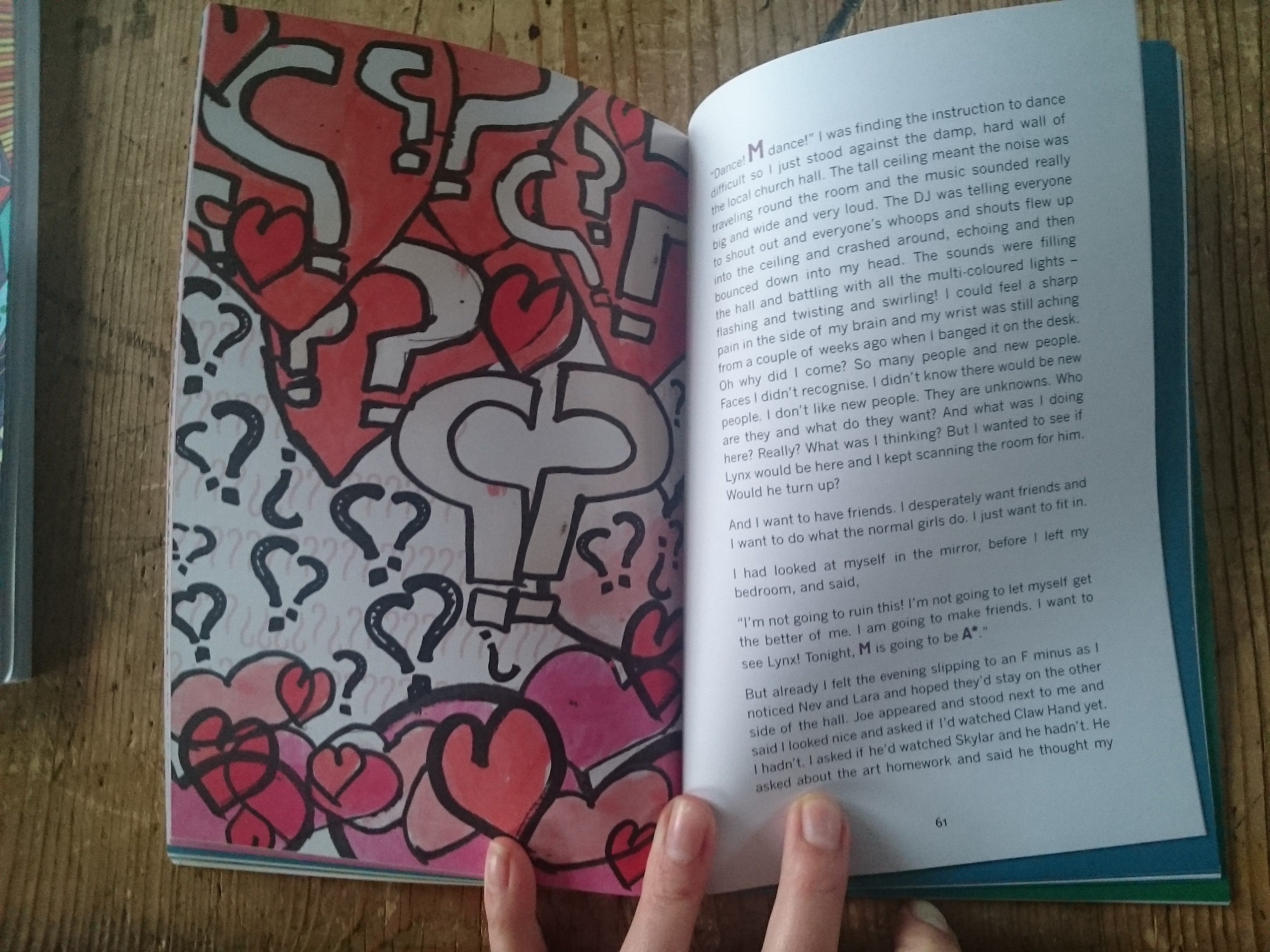
M is for Autism by The Students of Limpsfield Grange School & Vicky Martin

M is for Autism is a book by The Students of Limpsfield Grange School & Vicky Martin.

I definitely think that this is essential reading – not just for children/young teens, but also for their parents. The searing truth with which its written makes it one of the clearest, most concise insights into what life is like as an autistic person that I have read.

There were two sections which really stood out for me as being especially piercingly honest.

The first is from M’s perspective and concerns her feelings following her diagnosis;

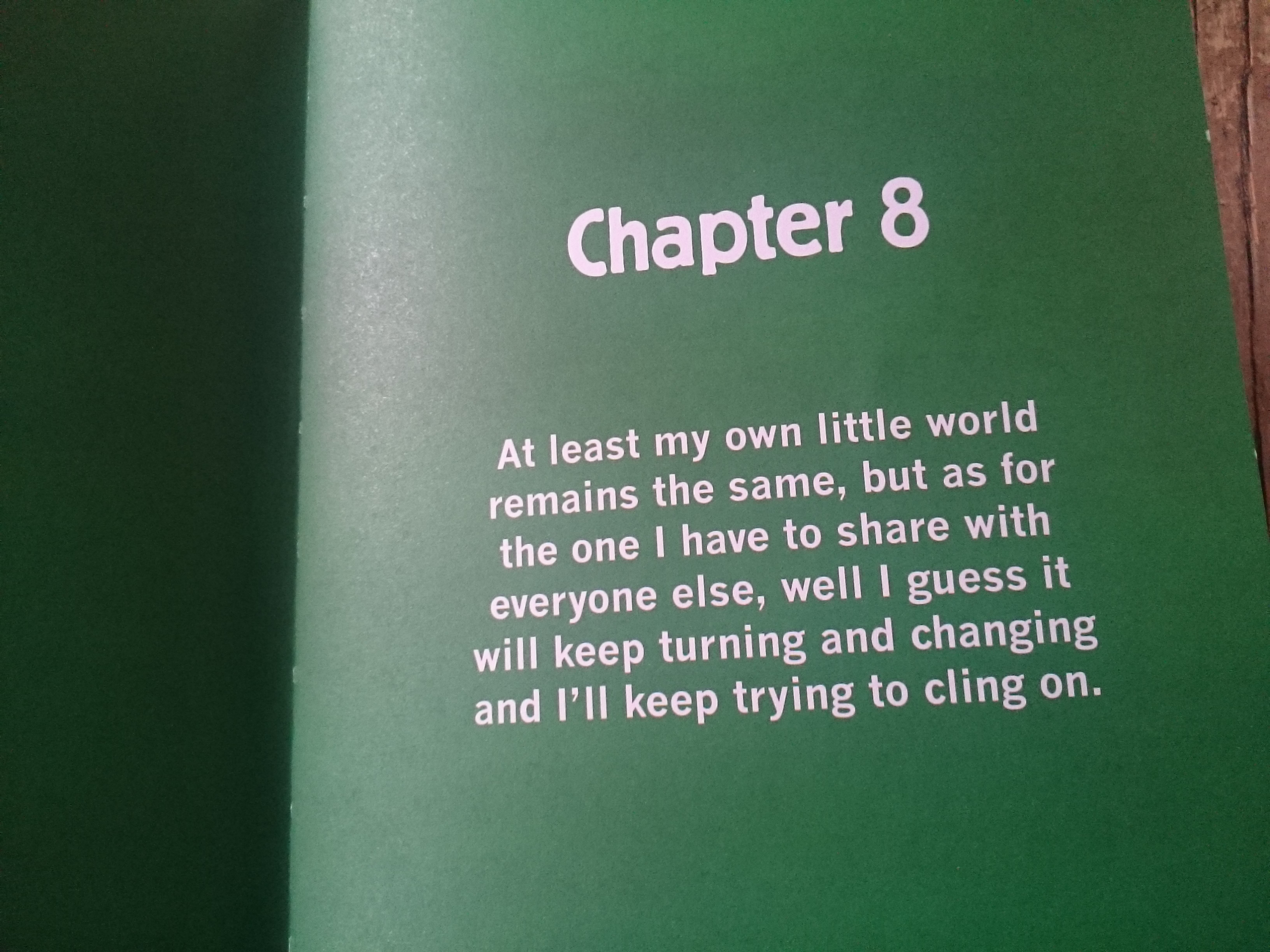
It’s like I can be shelved correctly or put in the right section. I mean, do people even know what being autistic is? The truth is they don’t really know me. I wonder if they really knew me they might get scared, so it’s easy for them to say ‘she’s autistic’ and label me but the truth is they have no idea of the shape, texture and size of my world.

The next is from M’s mother’s point of view;

So here I am, chopping onions and trying to bond with my beautiful daughter but it’s not easy. It should be, shouldn’t it? But reaching her and connecting with her feels so hopeless, so futile, but today I am making a big effort. I am her mother and I cannot give up on her or let her down.

The prose is this vital, this direct, throughout the book. So, although it’s a very slim volume which reads really naturally, it actually took me a long time to digest the words properly – I took my time over it, which I think everyone who reads it needs to do.

The artwork is also really honest – bright, block colours and really graphic prints. The art can be quirky and fun whilst simultaneously thought-provoking, generally just suiting the age and feel of the protagonist perfectly.

I feel as though this is one of those books which every home needs – whether autism impacts you directly or not. If everyone read this, there might be a greater degree of understanding and awareness in the world.

Have you read M is for Autism, or another book with a female autistic character?

— Farn ❤

Follow my blog with Bloglovin

Super Duper You by Sophy Henn

I really liked Sophy Henn’s book, Pass It On, so when I saw she had written Super Duper You, we checked it out of the library and took it home for a read.

Before I start, talking about the book-proper, I just wanted to say that even though our house seems to be constantly overflowing with books, I don’t often buy them. Generally, we only really use the library, read a story until everyone is tired of it and then take it back, knowing that should we want to read it again we only need to place our order and then go to pick the book up.

Generally…

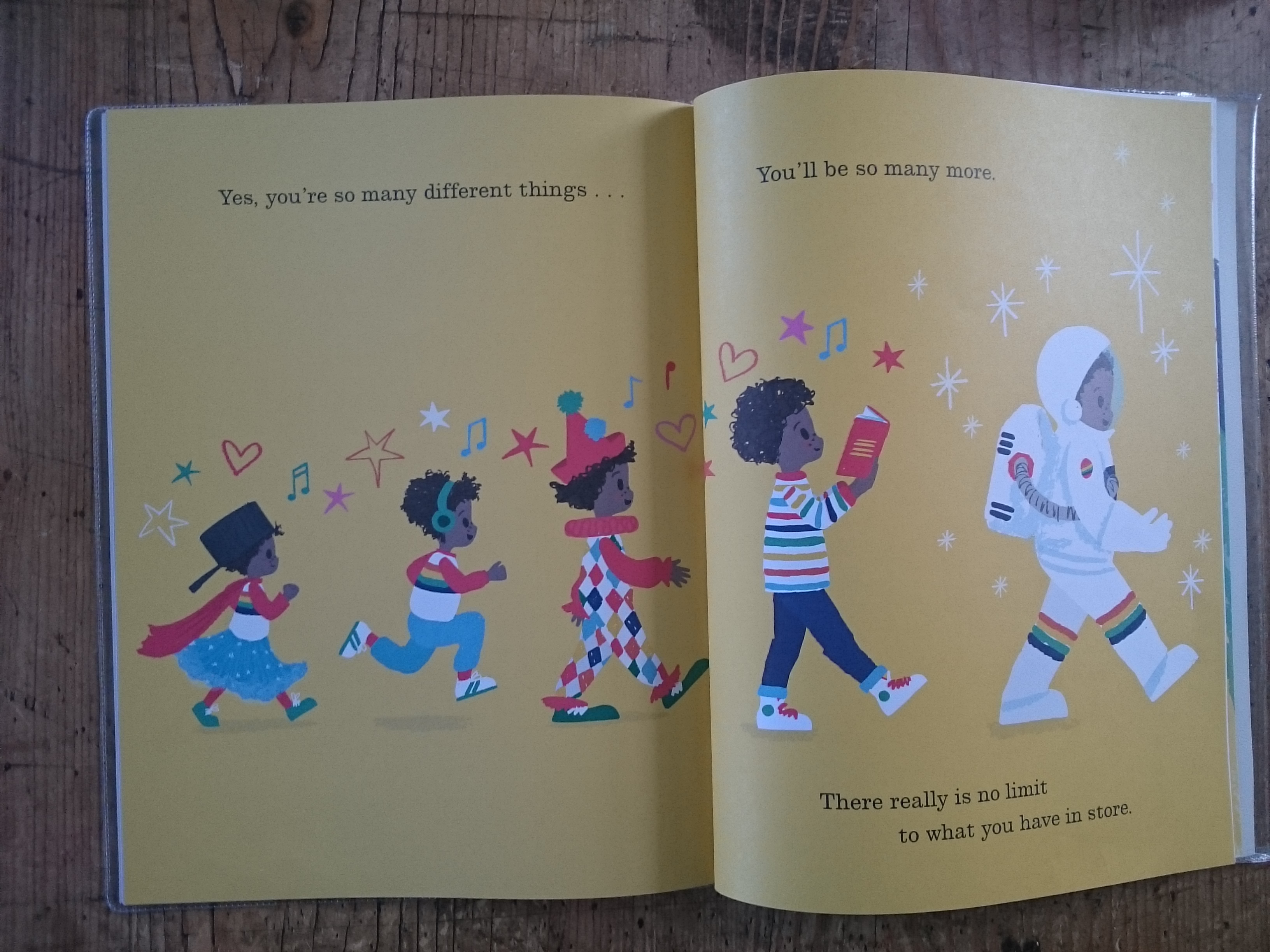
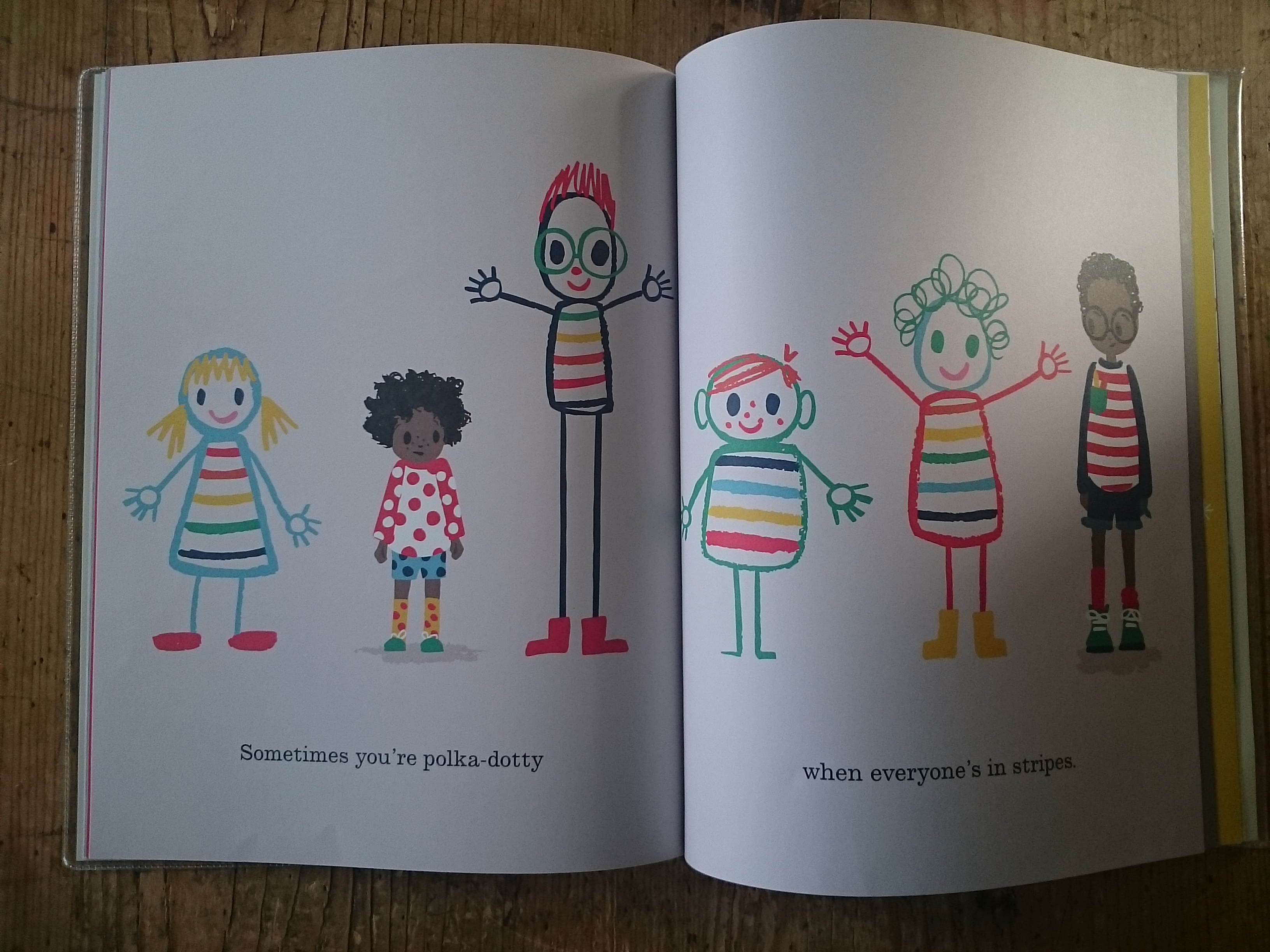
Every so often though, we read a book and I want to own  it. Super Duper You is one of those. It’s got shades of ‘Oh! The Places You’ll Go!’ by Dr Seuss to it, but it’s vastly more succinct and I love that it’s accessible to even the smallest of listeners. Again the art-work is modern and bright and pleasing. Again, I feel like my accent works against me with the rhyme.

I think I love the illustrations and the colours of this book most of all – especially the rainbows and the quirky background ‘grafitti’. I wish my big, special camera was more cooperative so I could take better photos for you, but for now you’ll have to make-do with my tablet’s lens and have a look the book for yourself… 😉

I think the page above is my favourite. It can be used in conjunction with other books to start conversations about the positives of neurodiversity, or about differences in family situations – or about anything, really..

I also really like the fact that it is a love-letter between siblings. There are lots of books which explore the parent/child relationship, but off the top of my head, the only nurturing siblings I can think of are Lauren Child’s Charlie and Lola or The Restless Girls by Jessie Burton. It makes a nice change from the usual ‘my brother smells’ dynamic that seems so prevalent in children’s books.

Have you come across Sophy Henn’s work yet? I’d love to hear what you think.

  • Farn ❤

The Gifts of Autism by Katherine Uher

autism1.jpg

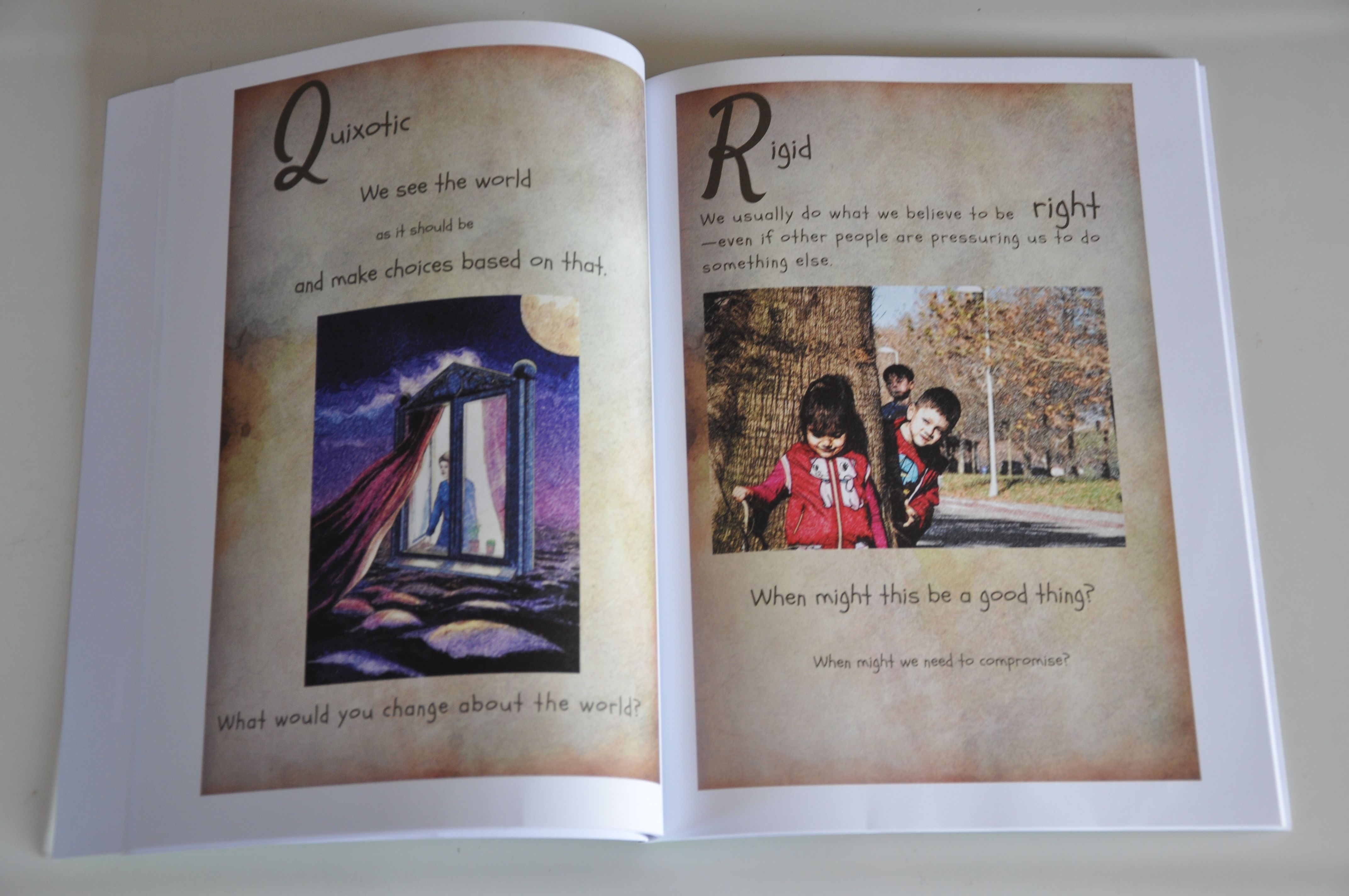
The Gifts of Autism by Katherine Uher is a fairly rare thing – being one of only a handful of books I’ve come across so far which is both written specifically for children, and aims to highlight the positive aspects of autism.

Whilst other factual books exist about autism, they focus on parts of the condition which might result in a child feeling stigmatised or even inferior to their peers. This book, conversely, describes various autistic traits – as the title suggests – as gifts.

autism2

I always feel that you can tell the quality of an alphabet book by the choice of word for the letter Q and this didn’t disappoint – the word ‘Queen’ doesn’t make a tenuous appearance and the alternative word isn’t something entirely un-Q-related with the word ‘quite’ whacked in front. Whilst this might not seem like big praise, but you’d be amazed at how often the above happens, so full marks there!

autism3

The book also contains a section designed to encourage self-reflection with a focus on positive autistic traits – indeed, positive traits for anyone to possess. I really like this invitation to praise oneself in detail – whilst drawing in a book, or even drawing-at-all, might not be every child’s cup-of-tea, the art pages can still serve as cues to think about what makes us awesome. Autistic or not, self-praise is something that doesn’t happen nearly enough – particularly not in the UK, where we seem to be bound by some unwritten law to downplay our own achievements for fear of sounding like we’re boasting. I think we’d all feel a lot better if we took the time to acknowledge the things that make us great, whether we’re autistic or not.

I also feel like it’s important to add that this is an excellent book for any child. As I’ve said above, the vast majority books that I’ve found on autism focus on traits that are often perceived as negative, even if the book is trying to take a neutral, fact-based approach. If we want to live in a society which values everyone for the contributions they do make then we need to make sure we that we focus on this when we explain the world. By thinking about the gifts of autism, the condition becomes a lot less isolating and neurotypical children might begin to see their autistic peers in a more positive light. And a little understanding can go a very, very long way.

Do you know of any positive books on autism I might not have come across yet? I’d love to hear about them if you do!

Farn ❤