And while all of these books are AMAZING, I wanted to close out the month with an action – something that people could do in the face of the increasing demonisation of – specifically the trans community but also in general all – LGBTQIA+ people.
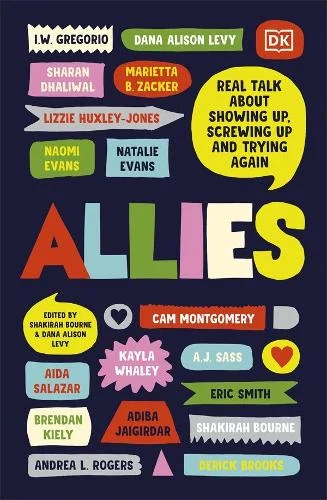
So often, so much of the discord we see in the world comes from peoples’ own discomfort at being wrong, where instead of listening and saying ‘sorry, I made a mistake’, they double-down on their previous assertions. This book teaches young people how to move past those feelings, and how to decentre themselves and their hurt in these conversations.
So, now that Pride month is over, what are we going to do going forward?
If you read no other books that I’ve recommended over June, I’d love it if you’d read this one – or even the £1 World Book Day abridged copy. In times like these, allyship is vital – especially for the trans community.
As for me, I’m going to continue seeking out books by LGBTQIA+ authors, so that I can continue to highlight them throughout the coming 12 months. If you’re an author or a publisher, and you have a book with queer themes for children and teens that you’d like me to review, please get in touch – especially books past their first flush of youth – I know how important sustained publicity is.
Before I start reviewing this book, I’d like to tell you a short story about our local landscape.
In the 1800s, pushed from their homes by the Improvement practices that estates were bringing into force at this time, a group of crofters set up home on the Commonty (or common land) of Bennachie. This so-called ‘squatters settlement’ lasted for around 50 years before three lairds decided that the inhabitants had made this land fertile enough to be useful, at which point, said lairds made to claim it. In celebration of their success, they capped the hill with a carved stone – something that we know to this day as ‘the thieves’ mark’.
A photo I took of the “Thieves Mark”. This is carved into the bedrock on top of Bennachie’s peak, Mither Tap . The “B” stands for Balquhain, the “P” for Pittodrie, and the “LE” for Logie Elphinstone. The stone is dated 1858 although the Court of Session didn’t approve the sectioning of the land until 1859. Bit cocky.
Tyger by SF Said follows the story of Adam – a young immigrant boy living in a British Empire London. Adam discovers a mystical tyger, hiding in a rubbish dump and pledges to help said tyger face an encroaching danger which threatens its life. Using his talent for art, and through speaking to people across various echelons of this eerily familiar Empiric Britain, Adam and his friend Zadie aim to avert disaster.
Again – what’s with the story about the commons?
The theft of common land by the powerful is a large theme of Said’s book, and it stuck with me on account of my ties to the Bennachie colony. Not only do I live within drivable distance, I’ve also helped out on digs close to this site, and researched the history of the place for my archaeology degree. A combination of the local past and the empathy I felt for Said’s characters really stirred something deep inside me as I read this, and I found myself with a bubbling anger at what had been done to the Bennachie ‘squatters’. When I tried to express this rage at the theft of common land to friends, I was met with blank stares. So few people now understand that there used to be swathes of countryside set apart for people to use as they needed – whether for grazing livestock, or gathering stone, or in the case of Bennachie, for living on when rents became impossible. The violence of the abolition of common land could be seen in the archaeology of this settlement – crockery lay smashed, just beneath the surface from where residents had been dragged from their homes for refusing to pay rent. To quote from the link above; it is believed that a sheriff’s officer, policeman, factor, and estate employees would pull down a course of masonry so that the wall [of residents’ houses] would collapse.
This isn’t something that took place within the distant past – these are events from our great-grandparents’ living memory. The theft of the commons is something that shapes our daily lives now. I love how Tyger brings this part of our history into focus, and can open discussions about land ownership, right-to-roam, and trespass. The need for connection between people and the earth matters now more than ever, and without space in which to foster that connection – space which is accessible to all and doesn’t depend on income – is absolutely vital.
And then there’s the elements of the book which tackle the concepts of national identity, the role of the outsider, the desire to conform…. honestly, there are dissertations-worth of things I could say about this book and how important it is that young people read it. Colonialism impacts all aspects of our lives, and it’s crucial that we understand that so we can take steps to counter it.
I’m going to be reviewing a book about the history of the British Empire soon – Story of Now – but as I think it goes hand-in-hand with Tyger, I thought I would mention it here. These books in combination would make for an incredible addition to anyone teaching the Victorians. Before, or while reading it, I highly recommend looking up where your local common land used to be, or just looking up the Cambridge Cows.
Can you think of any other books which deal with common land and the theft of it? Do you know of any other good books for children, about the harms of the British Empire? I would love to hear your thoughts.



 THE INQUISITIVE NEWT